How Hormones Influence Oral Health
Hormones can affect many systems throughout the body, and the mouth is no exception. Changes in estrogen and progesterone can influence blood flow to the gums, the body’s inflammatory response, saliva production, and the tissues that support the teeth. As a result, some people may notice changes such as swollen or bleeding gums, increased sensitivity, dry mouth, or changes in oral comfort during certain stages of life.
For patients in Thunder Bay, ON, understanding the relationship between hormonal fluctuations and oral health can make it easier to recognize changes before they become more serious. At Birch Point Dental Clinic, Dr. Stephen Carlson encourages awareness of how changing health circumstances can affect the mouth, since maintaining consistent oral hygiene remains important even when symptoms appear to be temporary.
Puberty and the Teen Years
Puberty is one of the first major periods when changing hormone levels can noticeably affect the mouth. Increases in reproductive hormones can make gum tissues more sensitive to plaque, sometimes causing redness, swelling, tenderness, or bleeding. Research indicates that puberty can be associated with increased gingival inflammation, even when the amount of plaque present does not fully explain the degree of inflammation.
This makes consistent brushing and cleaning between the teeth particularly important during adolescence. Hormonal changes do not automatically cause gum disease, but they can make the gums more reactive to bacteria. Establishing good habits during the teenage years can help reduce the likelihood that temporary gum inflammation develops into a persistent problem.
Menstrual Cycles and Hormonal Birth Control
Hormonal fluctuations can continue to influence oral tissues throughout the reproductive years. Around ovulation and the days leading up to menstruation, changes in progesterone and other hormones may contribute to gum swelling, redness, or increased bleeding. Some people may also experience oral discomfort or canker sores around their menstrual period.
Hormonal contraceptives can also influence the oral environment because they affect hormone levels. Some individuals may notice greater gum sensitivity or inflammation, particularly when plaque is present. These changes do not mean that hormonal birth control will necessarily cause dental problems, but they demonstrate why oral symptoms should be considered alongside a person’s broader health and medication history.
Pregnancy and Oral Health Changes
Pregnancy brings substantial hormonal changes, particularly increases in estrogen and progesterone. These changes can make gum tissue more sensitive and increase the inflammatory response to plaque. Pregnant people may therefore experience swollen, tender, or bleeding gums, commonly referred to as pregnancy gingivitis. The National Institute of Dental and Craniofacial Research recommends maintaining careful oral hygiene during pregnancy because hormonal changes can make gums more vulnerable to inflammation.
Pregnancy can also bring changes in eating patterns, nausea, vomiting, or cravings that may affect the teeth. Frequent exposure to acids and sugars can increase the risk of enamel erosion and tooth decay. Drinking water, maintaining regular brushing and flossing, and discussing persistent oral symptoms with a dental professional can help protect oral health throughout pregnancy.
Perimenopause and Menopause
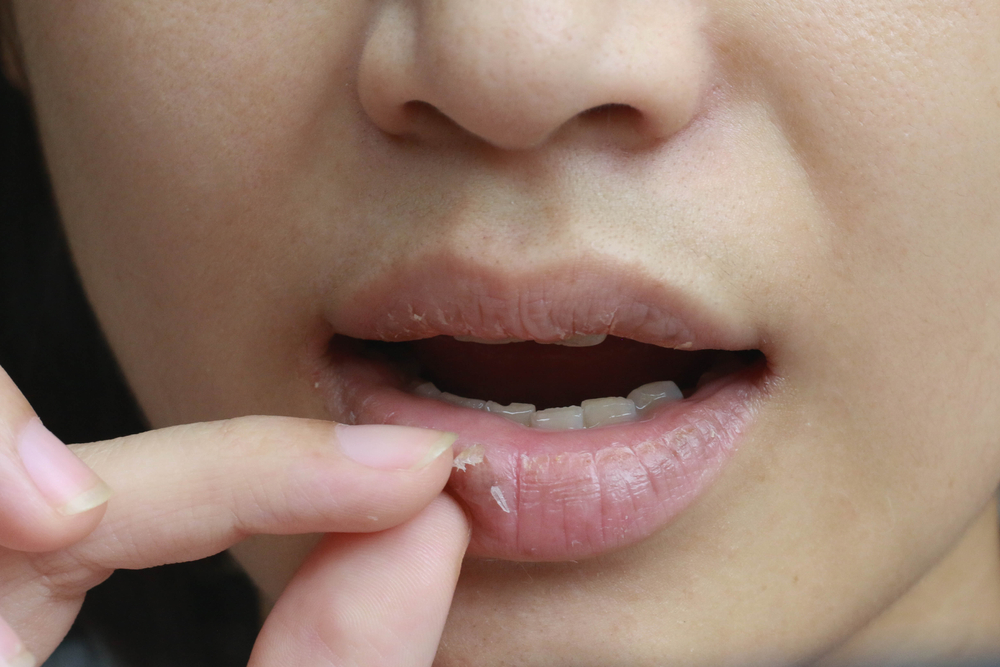
As the body approaches menopause, estrogen and progesterone levels begin to fluctuate and eventually decline. These changes can affect the gums, saliva, oral tissues, and supporting bone. Current research associates menopause with symptoms including dry mouth, altered taste, burning sensations in the mouth, periodontal concerns, and changes in the oral microbiome.
Dry mouth deserves particular attention because saliva helps neutralize acids, clear food particles, and protect the teeth. Reduced saliva can contribute to a greater risk of tooth decay and oral infections. Drinking water regularly and maintaining thorough oral hygiene can be useful, while persistent dryness, burning, unusual taste changes, or gum problems should be evaluated rather than dismissed as a normal part of aging.
Protecting Oral Health Through Every Stage
Hormonal changes are a normal part of life, but their effects on oral health can vary considerably from person to person. A consistent routine of brushing twice daily with fluoride toothpaste, cleaning between the teeth, limiting frequent sugary foods and drinks, drinking enough water, and attending regular dental appointments provides a foundation for protecting the teeth and gums.
It is also helpful to mention significant hormonal changes, pregnancy, menopause, and relevant medications or treatments during dental appointments. Recognizing changes early allows oral-health concerns to be addressed before they become more complicated. With informed habits and appropriate preventive care, people can support healthy teeth and gums through puberty, reproductive years, pregnancy, perimenopause, menopause, and beyond. Birch Point Dental Clinic encourages Thunder Bay, ON residents to view oral health as an important part of lifelong health rather than something that should only receive attention when a problem develops.
Resources
National Institute of Dental and Craniofacial Research. (2024). Oral Hygiene. National Institutes of Health.
Office on Women’s Health. (2025). Oral Health. U.S. Department of Health and Human Services.
Cardoso, I. L., Fryde, M., Guimarães, M. I., & Leal, F. (2026). Impact of female hormonal changes throughout life on oral health: A scoping review. Journal of Dental Sciences, 21(1), 31–48.
Shrivastava, S. (2024). Menopause and Oral Health: Clinical Implications and Preventive Strategies. Journal of Mid-Life Health.