Understanding How Food Supports Enamel
Tooth enamel is the hard outer layer that protects teeth from daily wear, bacteria, and acids. Although enamel cannot grow back once it is permanently lost, the minerals in saliva can help remineralize enamel during the early stages of mineral loss. Calcium and phosphate are especially important to this natural process, while fluoride helps make enamel more resistant to acid attacks.
For people in Thunder Bay, ON, choosing foods that support enamel can be a simple part of an everyday oral-care routine. Dr. Stephen Carlson of Birch Point Dental Clinic emphasizes the importance of understanding that nutrition works alongside brushing, flossing, and regular dental care rather than replacing them. A balanced diet that is low in added sugars and mindful of acidic foods can help create a healthier environment for teeth.
Calcium-Rich Foods for Stronger Enamel
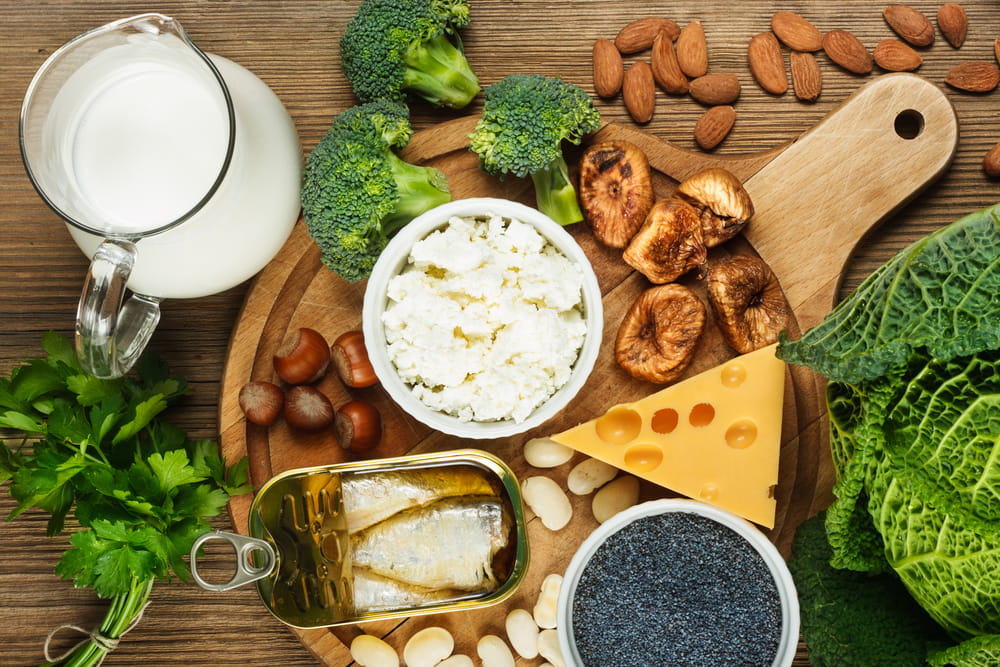
Dairy foods such as milk, cheese, and plain yogurt are excellent choices for supporting tooth health because they provide calcium and other nutrients associated with strong teeth. Cheese may also be helpful after an acidic food or drink because its mineral content and other properties can help counter acid-related effects in the mouth. Research has found that milk and yogurt can have protective effects against dental erosion, although diet should still be considered as part of a broader preventive approach.
If dairy is not part of your diet, calcium can also come from options such as fortified plant-based beverages, calcium-set tofu, leafy green vegetables, nuts, seeds, and certain beans. Calcium is particularly useful when consumed as part of an overall nutritious diet rather than relying on a single food to protect enamel.
Crunchy Vegetables and Nutrient-Dense Choices
Crunchy vegetables such as carrots, celery, and broccoli can be smart additions to meals and snacks. Their texture encourages chewing, which stimulates saliva production. Saliva is an important natural defense because it helps neutralize acids and supplies minerals that participate in enamel remineralization. Fiber-rich foods can also contribute to a healthier oral environment.
Leafy greens, beans, eggs, nuts, seeds, and other nutrient-dense foods can provide minerals and vitamins that support overall dental health. The goal is not to find one “magic” enamel-strengthening food, but to build meals around a variety of minimally processed foods while limiting frequent exposure to sugars and acids.
Foods and Drinks to Limit for Enamel Protection
Protecting enamel is also about reducing the foods and drinks that can repeatedly expose teeth to damaging acids. Plaque bacteria use sugars and starches to produce acids that attack enamel, while acidic foods and beverages can contribute directly to dental erosion. Frequent consumption of soft drinks, sports drinks, fruit juices, and other acidic beverages can increase the risk of enamel wear.
Try drinking water throughout the day and avoid constantly sipping sugary or acidic beverages. Eating acidic foods as part of a meal rather than repeatedly snacking on them may also reduce their impact because meals stimulate more saliva. If mineral loss has progressed to an actual cavity, dietary changes alone cannot repair the damaged tooth. Depending on the condition, treatment may involve The Process of Getting Dental Fillings or other appropriate dental care.
Building an Enamel-Friendly Daily Diet
A practical enamel-friendly diet can include calcium-rich foods at meals, plenty of vegetables, adequate water, and snacks that are low in added sugar. A simple approach is to choose foods such as cheese, plain yogurt, leafy greens, nuts, seeds, broccoli, beans, and fresh vegetables while making water the primary beverage.
Nutrition is only one part of protecting enamel. Brushing twice daily with fluoride toothpaste, cleaning between the teeth, managing frequent sugar and acid exposure, and maintaining regular dental visits all contribute to long-term oral health. By combining these habits with thoughtful food choices, residents of Thunder Bay, ON can give their teeth consistent support throughout the day. For personalized guidance, Birch Point Dental Clinic can help patients understand the factors that may affect their individual oral health and enamel protection.
Resources
American Dental Association. (2026). Diet and Dental Health. MouthHealthy.
National Institute of Dental and Craniofacial Research. The Tooth Decay Process: How to Reverse It and Avoid a Cavity. National Institutes of Health.
Lussi, A., & Carvalho, T. S. (2020). Acidic Beverages and Foods Associated with Dental Erosion and Erosive Tooth Wear. Monographs in Oral Science, 28.