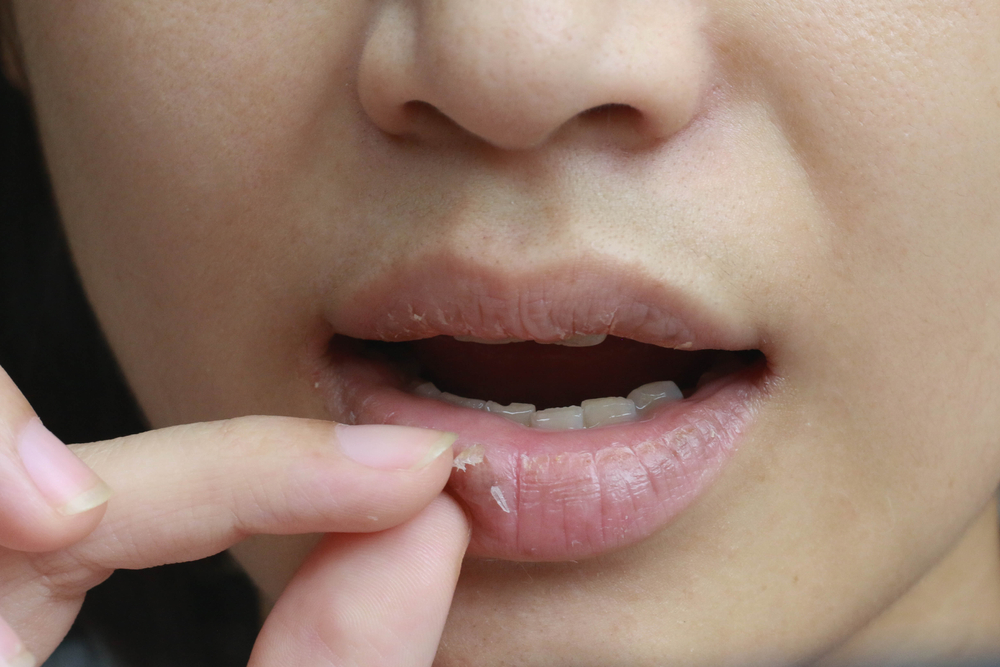
A broken tooth can occur suddenly or develop over time from untreated decay or stress on weakened enamel. While some fractures are superficial, others may expose the tooth’s inner pulp, creating a direct pathway for bacteria to enter and cause infection. Recognizing the severity of a break is the first step toward preventing further damage.
Breaks can range from minor chips affecting only the enamel to full fractures involving the dentin or pulp. Some breaks are visible and painful, while others are more subtle, discovered only through sensitivity or discomfort when biting down. Whether caused by trauma, biting something hard, or bruxism (teeth grinding), prompt assessment is critical. At Birch Point Dental Clinic in Thunder Bay, ON, many patients seek information about how to manage this type of emergency at home before receiving dental treatment.
Immediate Steps After a Tooth Breaks
If you break a tooth, it’s important to remain calm and act quickly to prevent worsening the injury. Rinse your mouth gently with warm water to clear debris and reduce the risk of infection. If bleeding occurs, apply gentle pressure with sterile gauze. A cold compress can be used on the outside of the cheek to reduce swelling and minimize discomfort.
Try to locate and save any broken fragments. Place them in a clean container filled with milk or saline solution, as these can help preserve the structure in case the fragment is needed for repair. Avoid chewing on the affected side, and if the tooth’s edge is sharp, covering it with over-the-counter dental wax can protect your tongue and cheek tissues from irritation. While these steps do not replace dental care, they can reduce immediate risks.
Types of Tooth Fractures and Their Symptoms
Different types of fractures require different responses. Understanding the categories can help patients determine the urgency of their situation. The most common types include:
Craze lines – These are tiny, superficial cracks that only affect the enamel. They are typically painless and do not require emergency treatment.
Chipped teeth – A small piece of enamel has broken off, often without pain. This is a mild form of damage, but still worth monitoring to avoid worsening.
Cracked tooth – A crack that extends from the chewing surface down toward the root. It may cause pain when chewing or with temperature changes.
Split tooth – A more severe form of a cracked tooth where the tooth is divided into segments. This usually results from an untreated crack and often requires extraction.
Vertical root fracture – Begins in the root and moves upward. These are difficult to detect and may only be found once the surrounding tissues become inflamed.
Pain, sensitivity, or swelling around the tooth can indicate that the inner pulp is involved. Any suspected deep crack or continuous discomfort should be treated promptly to avoid further structural damage or infection.
Managing Pain and Sensitivity at Home
Discomfort from a broken tooth can range from mild to severe depending on the extent of the damage. Until you can be seen by a dentist, it’s important to manage pain effectively. Over-the-counter pain relievers such as ibuprofen can help reduce inflammation and ease symptoms. Avoid very hot, cold, or sweet foods, as these can trigger sensitivity if the dentin is exposed.
For exposed pulp or nerves, even breathing through the mouth may cause sharp pain. In such cases, keeping the mouth closed and protecting the area with temporary dental filling material or wax can help reduce sensitivity. Rinsing with a mild saltwater solution several times a day helps keep the area clean and lowers the risk of bacterial growth, especially if there is any bleeding or open tissue.
When a Broken Tooth Becomes an Emergency
Not all broken teeth are immediate emergencies, but some conditions require urgent care. If the break causes uncontrolled bleeding, intense pain that doesn’t subside with medication, or swelling in the face or jaw, these are signs of more serious issues such as infection or nerve involvement. If you can see red or pink tissue inside the broken tooth, the pulp is likely exposed and vulnerable to infection.
Another red flag is if the tooth becomes loose or shifts in the socket. This could indicate root damage or trauma to the surrounding bone structure. Any time a tooth injury is accompanied by fever, foul taste, or difficulty swallowing, it may signal a developing abscess that needs urgent medical intervention. Seeking prompt evaluation in these cases prevents complications that could lead to tooth loss or systemic infection.
Preventing Tooth Breakage in the Future
Many tooth fractures can be avoided with preventative care and smart habits. Regular dental checkups are important for identifying early signs of wear, cracks, or decay that weaken the tooth structure. Avoiding chewing on ice, hard candy, popcorn kernels, or pens can help protect your teeth from unnecessary stress.
If you participate in contact sports or grind your teeth at night, using a custom-fitted mouthguard or nightguard can significantly reduce the risk of injury. Maintaining strong oral hygiene through daily brushing and flossing also reinforces enamel and protects against cavities that can lead to structural breakdown. Even something as simple as cutting food into smaller pieces can reduce the pressure exerted on individual teeth during chewing.
Temporary Fixes and What Not to Do
While waiting for professional care, certain temporary fixes can provide relief, but it’s important to avoid remedies that might cause harm. For example, do not attempt to glue a broken piece back onto a tooth with household adhesives—these substances are not safe for oral tissues and can complicate future dental treatment.
Avoid chewing sticky or hard foods that can dislodge or worsen a cracked tooth. Similarly, do not ignore a minor chip just because it doesn’t hurt. Small damage can become a larger problem if bacteria enter through microscopic cracks. Products like temporary dental cement available at pharmacies can help protect the area briefly, but should only be used as a short-term solution until the tooth is examined.
Final Thoughts from Birch Point Dental Clinic
A broken tooth can be a distressing experience, but with the right knowledge, patients can take meaningful steps to protect their oral health until professional care is available. From first aid to long-term prevention, responding quickly and appropriately helps minimize pain and reduce the risk of serious complications. Birch Point Dental Clinic in Thunder Bay encourages all individuals to become familiar with dental first aid strategies and prioritize regular dental checkups to catch small issues before they become emergencies.
Resources:
- American Association of Endodontists. (2013). Cracked Teeth. https://www.aae.org/patients/dental-symptoms/cracked-teeth/
- da Silva, F. C., et al. (2014). Diagnosis and Management of Vertical Root Fractures. Journal of Endodontics, 40(6), 876–881.
- Sedgley, C. M., & Messer, H. H. (1992). Are Endodontically Treated Teeth More Brittle? Journal of Endodontics, 18(7), 332–335.