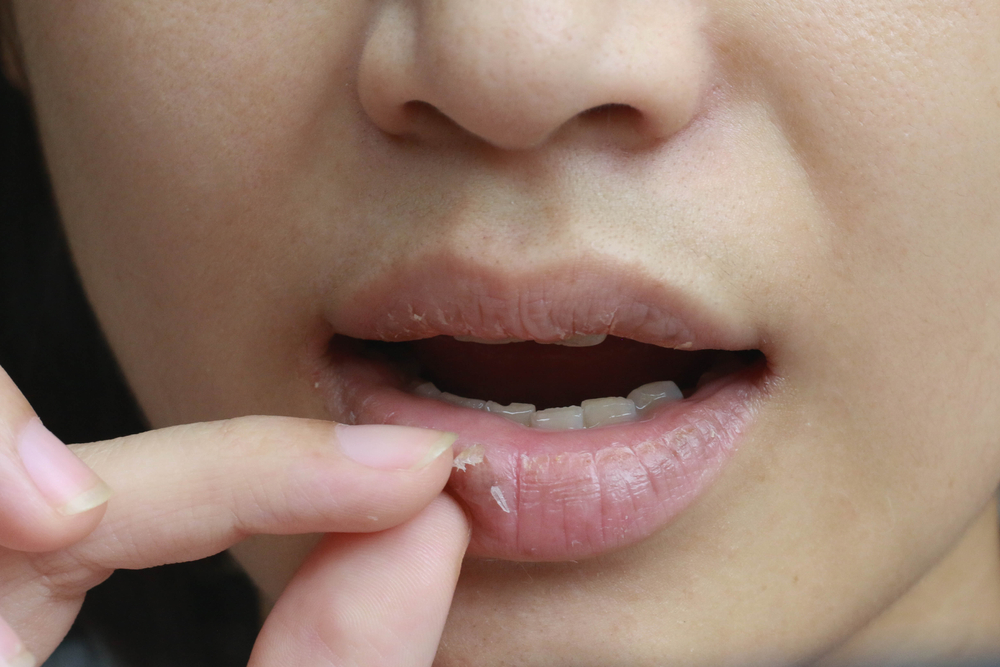
Dental emergencies can strike unexpectedly and often cause significant discomfort or concern. Whether you’re dealing with a sudden toothache, a chipped tooth, or trauma to the mouth, understanding how to manage these situations can make a big difference in the outcome. At Birch Point Dental Clinic in Thunder Bay, ON, educating patients on emergency dental care is part of promoting better oral health and preparedness.
This guide explores several of the most common dental emergencies and provides practical, step-by-step advice on how to manage them safely until professional help is available. Whether at home, at work, or on vacation, being prepared and informed can help you avoid complications and reduce pain in those critical moments after a dental injury or issue.
Toothache: Causes and First Aid
A persistent or severe toothache is often the first sign that something is wrong, and it can stem from several underlying causes such as tooth decay, infection, trauma, or gum disease. While the pain may range from dull and throbbing to sharp and constant, it’s never something to ignore—especially if it comes on suddenly or worsens over time.
If you’re experiencing a toothache, rinse your mouth gently with warm salt water to clear away debris and reduce inflammation. Floss carefully to make sure nothing is lodged between the teeth. Over-the-counter pain relievers like ibuprofen may help, but avoid placing aspirin directly on the gums as this can damage the tissue. If swelling or fever accompanies the pain, you may have an abscess and should seek immediate care.
Knocked-Out Teeth: Time-Sensitive Action
A knocked-out tooth is one of the most urgent dental emergencies. When a permanent tooth is dislodged, time is a critical factor for successful reinsertion. Ideally, reimplantation should occur within 30 to 60 minutes. Handling the tooth properly is essential—always hold it by the crown (the visible part), never the root.
If the tooth is dirty, rinse it gently with water—do not scrub or use soap. Try to place the tooth back in its socket, holding it in place with a soft cloth or gauze. If reinsertion isn’t possible, store the tooth in a container of milk or a tooth preservation solution if available. Staying calm and getting to a dental professional as soon as possible can dramatically improve the chance of saving the tooth.
Chipped or Broken Teeth: Minimizing Further Damage
Chipping a tooth is common and may result from chewing on hard objects, sports injuries, or trauma. While a minor chip might not be painful, more significant breaks can expose the inner pulp, causing pain and risk of infection. Any injury involving the structure of the tooth should be evaluated.
To manage the situation at home, rinse your mouth with warm water and apply a cold compress to reduce swelling if facial trauma is involved. Save any broken pieces in a clean container with milk or saline. If the jagged edge is irritating your mouth, covering it with dental wax can offer temporary relief. Avoid chewing on that side until the tooth is treated to prevent additional damage.
Abscesses and Infections: Warning Signs You Shouldn’t Ignore
A dental abscess is a serious condition that involves a pocket of pus caused by a bacterial infection, typically near the root of the tooth or in the gum. Symptoms may include severe, throbbing pain, facial swelling, fever, a bad taste in the mouth, or even difficulty swallowing or breathing in advanced cases.
At the first sign of these symptoms, rinse with a mild saltwater solution to help draw the infection toward the surface and ease some discomfort. Do not attempt to pop or drain the abscess on your own. This condition requires urgent dental treatment, and in some cases, antibiotics or surgical drainage may be necessary to prevent the infection from spreading to other parts of the body.
Lost or Loose Fillings and Crowns: Temporary Measures
Losing a filling or crown can leave a tooth vulnerable to sensitivity and further decay. If you lose a filling, you may experience pain when eating or drinking, especially with hot, cold, or sweet items. Similarly, a dislodged crown may expose a damaged tooth surface.
To manage discomfort, over-the-counter dental cement can be used to temporarily seal the exposed area. In the case of a loose crown, try to fit it back over the tooth using dental cement or toothpaste as a temporary adhesive. Avoid chewing on the affected side until a dentist can permanently restore the restoration.
Bleeding Gums or Soft Tissue Injuries
Bleeding from the gums is sometimes caused by aggressive brushing or flossing, but if bleeding is excessive or caused by trauma, it’s essential to act quickly. Soft tissue injuries inside the mouth—such as cuts to the lips, cheeks, or tongue—can also bleed heavily and should be treated with care.
Start by rinsing with a mild saltwater solution. Apply pressure with clean gauze to stop the bleeding. If bleeding persists for more than 15 minutes or appears severe, medical attention may be required. While small cuts and scrapes often heal on their own, deep wounds or persistent bleeding may need stitches or evaluation to rule out more serious injuries.
Emergency Kit Essentials for Dental First Aid
Being ready for a dental emergency means having the right supplies on hand. Whether at home, in the car, or packed for travel, a small dental first aid kit can be invaluable.
Consider including:
- Sterile gauze pads
- A small container with a lid
- Over-the-counter dental cement or wax
- Pain relievers like ibuprofen
- A cold compress or instant ice pack
- A saline rinse or salt packets
- Non-alcoholic antiseptic mouthwash
- Tweezers and gloves for safe handling
Labeling the kit and storing it in an accessible location makes it easier to act quickly in an emergency.
Preventing Emergencies Through Daily Care
While not all emergencies are avoidable, many dental issues can be prevented with consistent oral hygiene and routine checkups. Brushing and flossing daily, using fluoride toothpaste, and avoiding hard foods that can crack teeth are foundational steps in prevention. Regular dental visits can identify issues like early decay or loose restorations before they lead to more serious problems.
In addition, people who engage in contact sports or high-impact activities should consider custom mouthguards to protect teeth from trauma. For individuals with nighttime grinding habits, a nightguard can prevent chipping or fractures. Prevention may not eliminate all risks, but it dramatically reduces the likelihood of needing emergency dental care.
Closing Thoughts from Birch Point Dental Clinic
Understanding how to respond to dental emergencies can make a meaningful difference in both short- and long-term outcomes. From knocked-out teeth to painful abscesses, knowing what steps to take empowers individuals to protect their oral health and reduce complications. Birch Point Dental Clinic in Thunder Bay encourages all patients to stay informed, keep a dental emergency kit nearby, and seek prompt care when necessary. Your smile’s health often depends on how well you respond when something goes wrong.
Resources:
- Andersson, L., et al. (2012). Guidelines for the Management of Traumatic Dental Injuries: 2. Avulsion of Permanent Teeth. Dental Traumatology, 28(2), 88–96.
- Hargreaves, K. M., & Berman, L. H. (2015). Cohen’s Pathways of the Pulp. Elsevier Health Sciences.
- Abbott, P. V. (2004). Dental Emergencies: Managing Traumatic Injuries. Australian Dental Journal, 49(4), 287–296.